Unraveling the Psychological Threads of Fashion: How Your Clothes Affect Your Mindset
Fashion is often viewed as a superficial layer of society, a simple way to cover our bodies. However, delve a little deeper, and you’ll find that the impact of what we wear goes far beyond the aesthetic. The relationship between clothing and psychology is a fascinating study, one that reveals how our apparel choices influence our mood, confidence, and even our productivity.
It’s commonly said that ‘clothes make the man,’ and this phrase rings true for many reasons. The concept of ‘enclothed cognition’ highlights how the clothing we wear can influence our psychological state. A tailored suit can enhance confidence and assertiveness, while comfortable loungewear may encourage relaxation and a more laid-back attitude. The key is to recognize that the garments we choose serve not only to express our style but also to mold our identity.
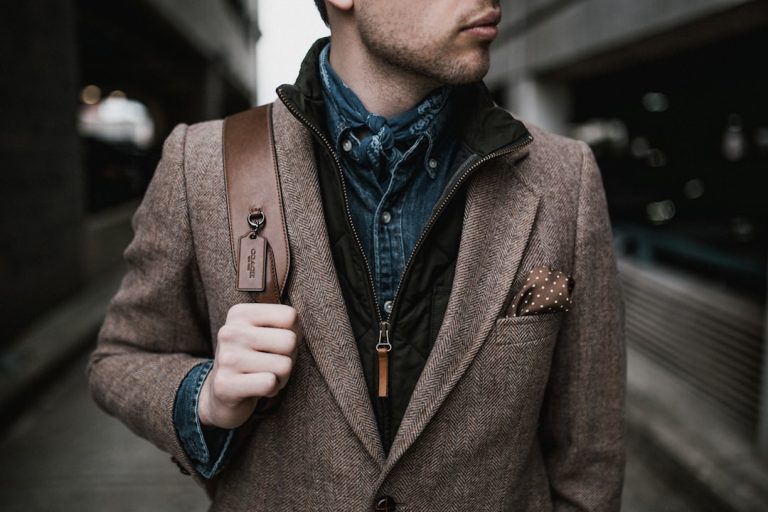
Imagine stepping into the office wearing a crisp, tailored blazer. Instantly, you feel more authoritative, more professional. This transformation isn’t just in your mind; studies have shown that wearing formal attire can boost abstract thinking and increase your likelihood of making high-level decisions. Conversely, sporting your favorite old t-shirt and sweatpants might invoke feelings of comfort but could also lead to a mindset that’s more geared toward relaxation rather than productivity. The psychological implications of what we wear can be profound.
Moreover, color plays a significant role in how we feel. Certain hues are known to evoke specific emotions: red can ignite passion and energy, blue often instills calmness and reliability, while yellow can spark creativity and cheerfulness. Therefore, being intentional about color choices in our wardrobe can be an effective way to influence our mood and the way we interact with the world. A well-thought-out outfit can not only boost our confidence but also enhance our emotional wellbeing.
Fashion also acts as a form of self-expression, a language without words. When you put on a piece that resonates with your inner self, you’re sending a message to the world about who you are and how you wish to be perceived. This connection to identity can be incredibly empowering. On the other hand, wearing clothing that feels inauthentic or forced can lead to discomfort and even anxiety. Finding your personal style is more than a trend; it’s a journey of self-discovery.
Let’s not forget the power of fashion in social interactions. The way we dress can significantly influence how others perceive us. This is particularly important in situations where first impressions count. Whether it’s a job interview, a first date, or a social gathering, the right outfit can provide a sense of assurance that can help us navigate social situations with ease.
Fashion is not just about aesthetics; it’s about empowerment, identity, and psychology. Embracing your personal style and understanding the psychological impact of your wardrobe can lead to improved self-esteem and emotional health. The next time you’re getting dressed, consider how your outfit makes you feel. Are you choosing pieces that uplift you, or are you sticking to a style that feels expected?
In summary, fashion is a powerful tool that transcends mere appearance. It has the ability to influence our emotions, boost our confidence, and even shape our interactions with others. By becoming more aware of how our clothing choices affect our mindset, we can harness the power of fashion to create a more fulfilling and authentic life. So go ahead, explore your wardrobe, and wear what makes you feel truly you. Your clothes can be a canvas for your thoughts, a reflection of your inner self, and a powerful catalyst for your mental well-being.